UX Research & Product Design · Interch
Advancing Health Equity in Kenya with AI-Enabled Data
Designing a detailed and verified health data platform with AI assisted capabilities for marginalised regions in Kenya.
UX Researcher & Lead Product Designer · 12 weeks
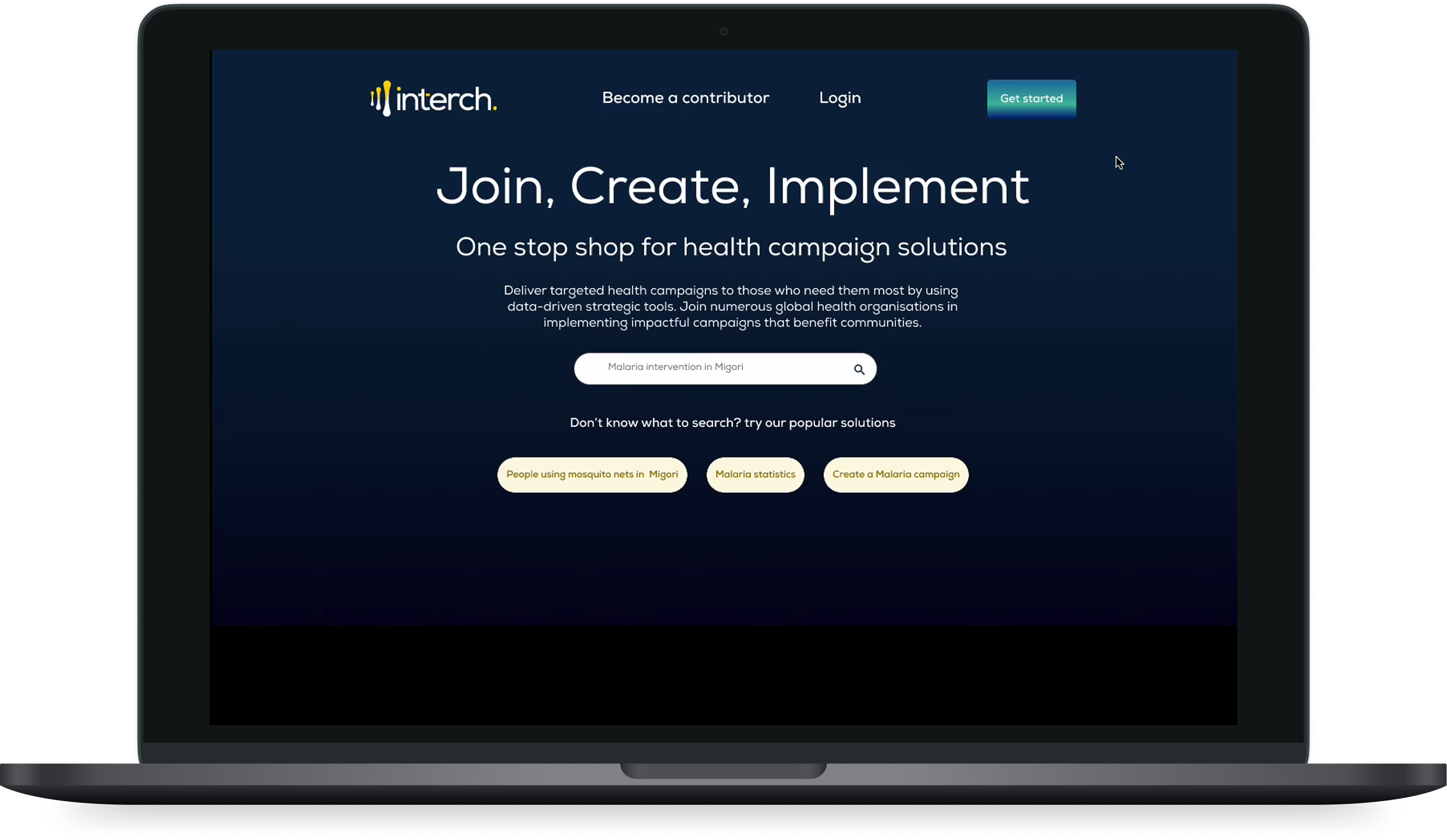
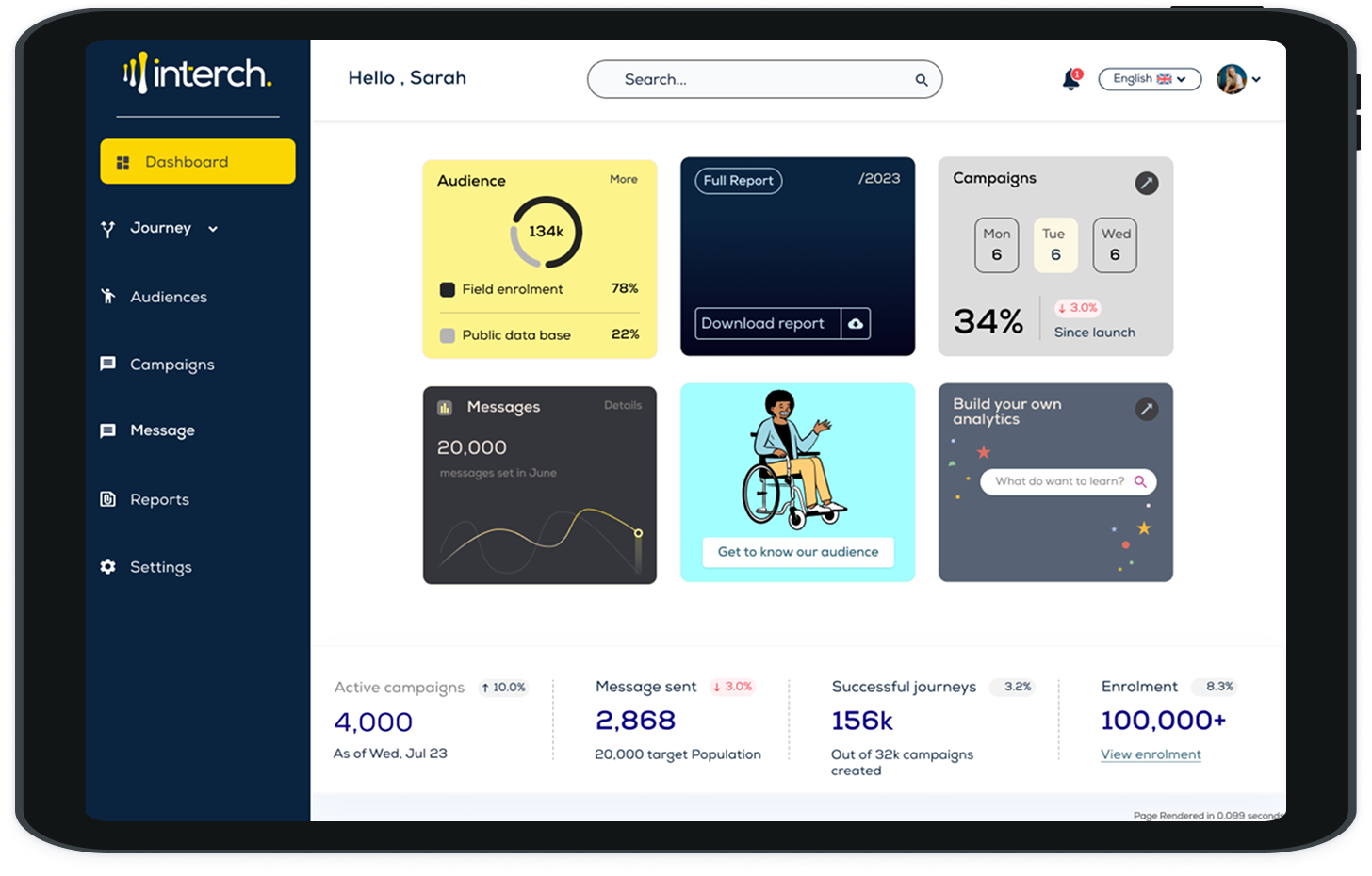
Health equity is the state in which everyone has a fair and just opportunity to attain their highest level of health. In a world characterised by diversity, health equity aims to eliminate health disparities that stem from factors like race, ethnicity, gender, income, and geography. It acknowledges that some groups have historically faced greater barriers to accessing quality healthcare and achieving good health. It's important to recognise that health equity goes beyond simply providing equal healthcare; it's about addressing the root causes of health disparities and striving for a society where everyone can thrive.
Market problem
The historical one-sidedness in healthcare investment has resulted in an inadequate focus on the demand side needs of healthcare end users. Despite the utilization of traditional media channels such as radio and TV to disseminate health information, they may not be timely or personalized enough, in comparison to what might be possible given today's growing demand side channels such as smartphones.
Health planners lack the necessary tools to manage and prioritize interventions on the demand side. Manual, time-consuming health promotion processes have resulted in inconsistent outcomes and often leave behind a population susceptible to infodemics and misinformation.
In Kenya, there are:
- No national brands for demand side health promotion providers
- No tech enabled/hybrid service models supporting social behavior change programs
- No shared repository for available health information that can be reused and availed to end users on demand at national and county levels
- No measurable ways to attribute the impact of health information to health investments
Final outcome
15%
Estimated reduction in child mortality, through targeted campaigns, personalised household messaging and collaboration with stakeholders across the ecosystem
The goal of the project is to enable health institutions in Kenya use AI to manage health data, improve public health and develop treatments. During the research briefing and data analysis, we are estimating that the platform will help increase malaria awareness and reduce child mortality rates by 15% through target campaigns, personalises household messaging and collaboration with different stakeholders in the ecosystem.
Better targeted interventions
The platform is able to analyse health data to identify populations that are at high risk for certain diseases or conditions. This information will be used to target interventions, such as public health campaigns or preventive screenings, to those populations.
Improved disease surveillance
The platform is able to analyse health data to identify patterns and trends that may indicate the emergence of new diseases or outbreaks of existing diseases. This information will be used to take steps to prevent or mitigate the spread of disease.
Increased efficiency
The platform will be used to automate many of the tasks involved in health data management by sub counties and counties officials, such as data entry and analysis. This will help free up time for healthcare professionals to focus on providing care to patients.
- My role
- UX Researcher and Lead Product Designer, contributing research, API design, personas and user journeys
- Timelines
- 12 weeks
- Tools
- Figma and FigjamWhatsapp, Zoom, google meetsUsertesting
- Design system
- Material design
Discovery
Understanding the problem
Problem statement
The traditional approach to health education has been to provide information about the benefits of healthy behaviors and the risks of unhealthy behaviours. However, this approach has not been effective in changing health behaviors. For example, a study in the journal "Health Education & Behaviour" found that only 10% of people who received information about the benefits of exercise actually started exercising.
Research
There are a number of reasons why traditional health education methods have not been effective. One reason is that people often do not believe that they are at risk for developing a chronic disease. Another reason is that people may not have the skills or resources to make healthy changes. Finally, people may face social or cultural barriers to making healthy changes, such as a lack of support from their family or friends.
Solution
Health promotion is a more holistic approach to behavior change that takes into account the individual's social, cultural, and economic environment. It also engages individuals in identifying the barriers and facilitators to behavior change.
Call to action
The health community needs to adopt a health promotion approach to behavior change. This will require a shift in thinking from providing information to individuals to creating an enabling environment that supports positive change.
Objectives & goals
- Reduce the time taken to plan and rollout a population health campaign
- Target the right people with the right intervention
- Increased utilisation of the right messages
- Make it easy to track utilisation of messages
- Diversify messages consumption beyond current channels or avenues
Ecosystem challenges
- Health practitioners have struggled with behaviour change communications. e.g Covid pandemic was a terrible period for them. They spent long periods away from home managing the crisis
- Health Program manager is frustrated by the slow implementation pace of innovative solutions for community projects with governments.
- A lot of missed opportunities in implementing high impact preventive interventions, there are no tool at present to support them at scale, they often rely on marketing agencies whose expertise is in creative marketing and not necessarily behaviour change
Product user
- Social behaviour change team members at the National Disease Program and County
- Program manager at international health consultancy partners with governments to organize campaigns and optimise SBC investments in different market areas.
- The recipient of the designed campaign messages
Competitor analysis
Majority of cited solutions are patchy technological hacks hurriedly put together by health consultancy groups as they work on their projects. There are integration challenges across these four layers.
Lately, category defining products combining behavioral science and AI to power hyper-personalized health consumer experiences that meaningfully improve outcomes have emerged. interch will be the first of its kind in our market to do so.
read more on the landscape
Define
Understanding user needs
These were the key needs that surfaced during the interviews and industry expert thoughts
- Prioritise investment/resource allocation for SBC intervention
- Track the progress of the SBC
- Optimise the channel(s) that is/are getting the best results
- Reach to all the target population with SBC interventions
- Organisation of various campaigns in the different market areas
- Repository of the various engagement in different countries/geographies/market areas
- Tracking the progress of the various intervention
- Optimising the various channels and efficiencies in SBC investments
- Tracking lessons learnt and replicating them in other market areas
- Initiating various campaigns in multiple location
Job to be done
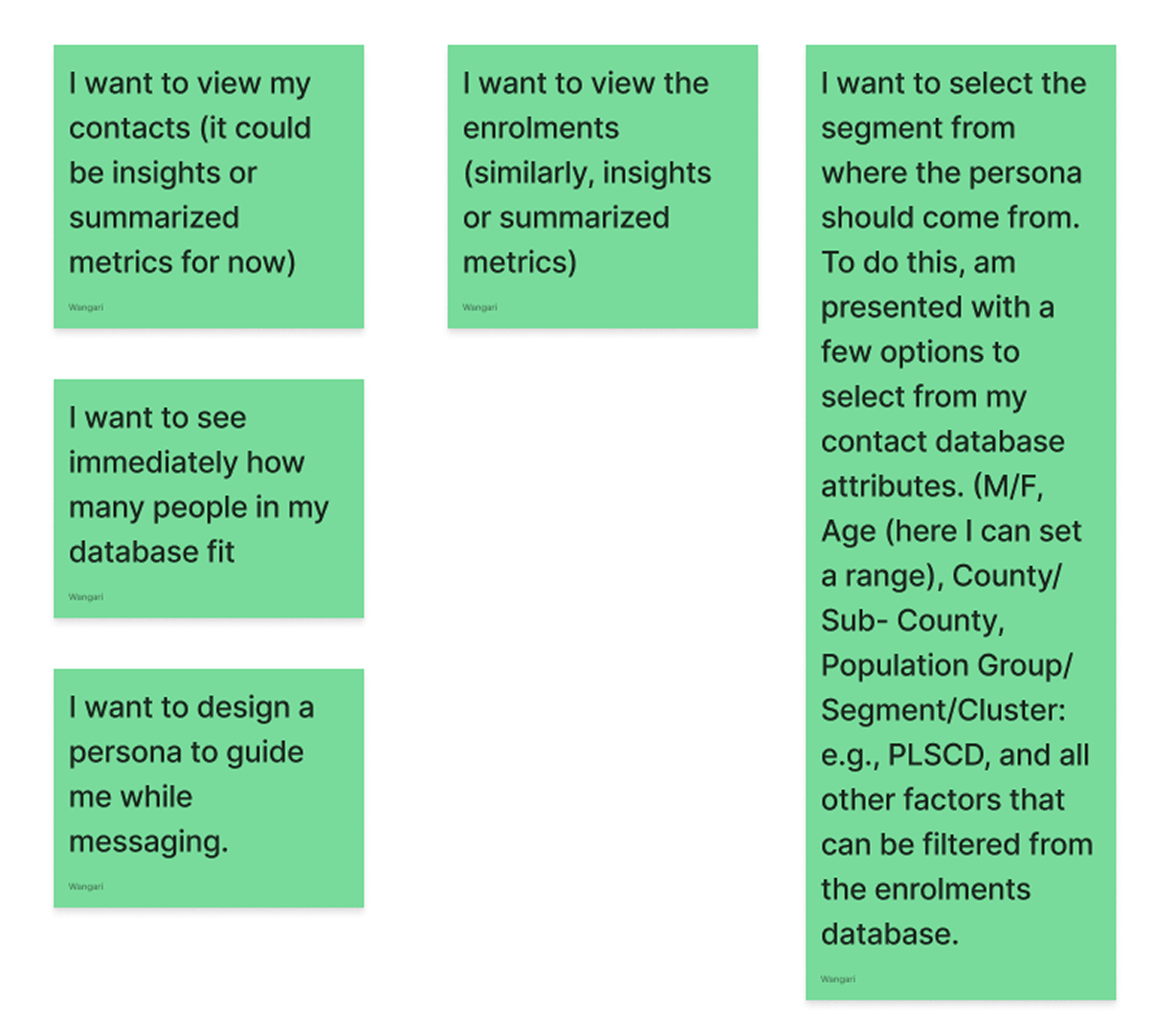
The team brainstormed on Jobs to he done statements that helped gain further clarity on the audience goals, this could serve as reference for further decisions
Indicative functional architecture
We then brainstormed on solutions that enabled healthier communities, and solutions that enabled successful health promotions. The solution is a suite of services (Journeys, Audiences, Messages and Campaigns) anchoring these use cases
Ideation
Every designer favourite playing ground
Priority features
The solutions were the ideas we had validated for the problems that were deemed worth addressing. (Note that the solutions above had not been fully validated in terms of features.) The MVP build was intended to facilitate swift and early testing in this regard. We focused on developing features to production-grade only when they showed a strong probability of effectively addressing the end user's problem.
Wireframes
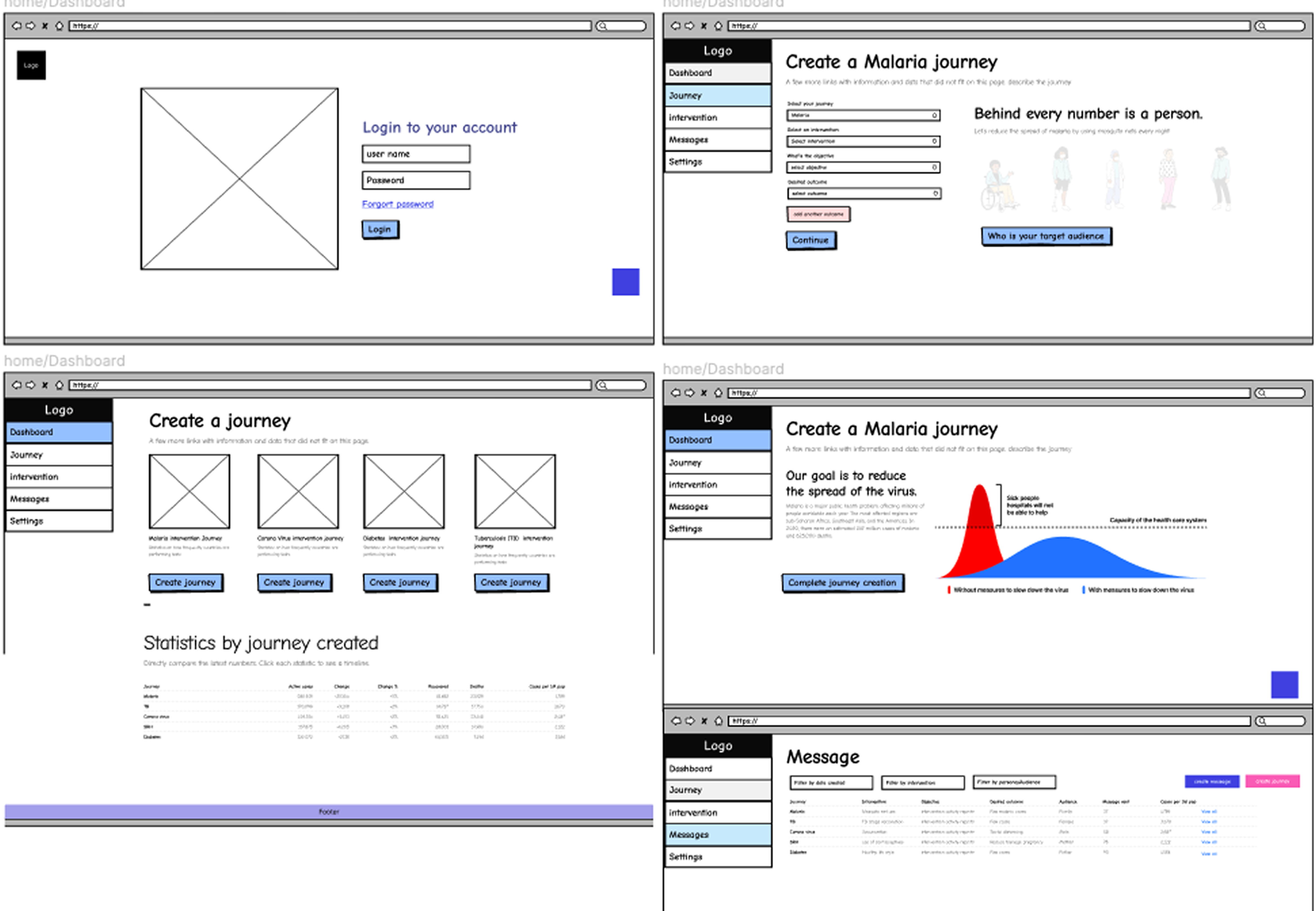
With the user at the core, I crafted rapid wireframes, Presented to our target customers, these gave a glimpse of the final product's potential look. This guided our design system team, providing clarity on the pipeline ahead.
Almost there
After numerous conversation, workshops with different stakeholders, The MVP needed to tell a story of the personas and their shortcomings accessing sufficient sbcc intervention by Showing a pattern of support across all these functions.
I designed a mid fidelity concept that encompass the simplicity and elegance of the platform mission and taking into account the type of users that were to use the platform.
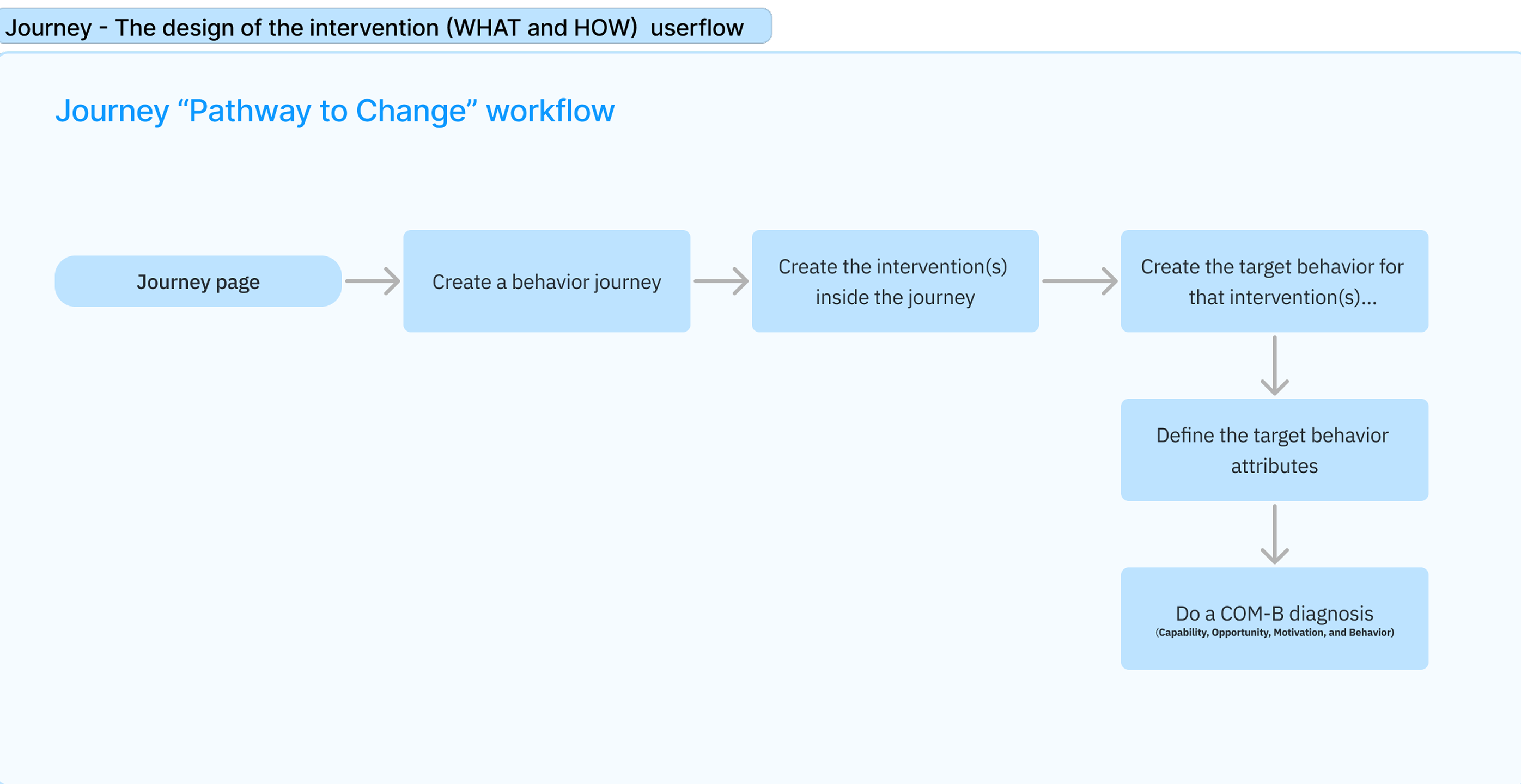
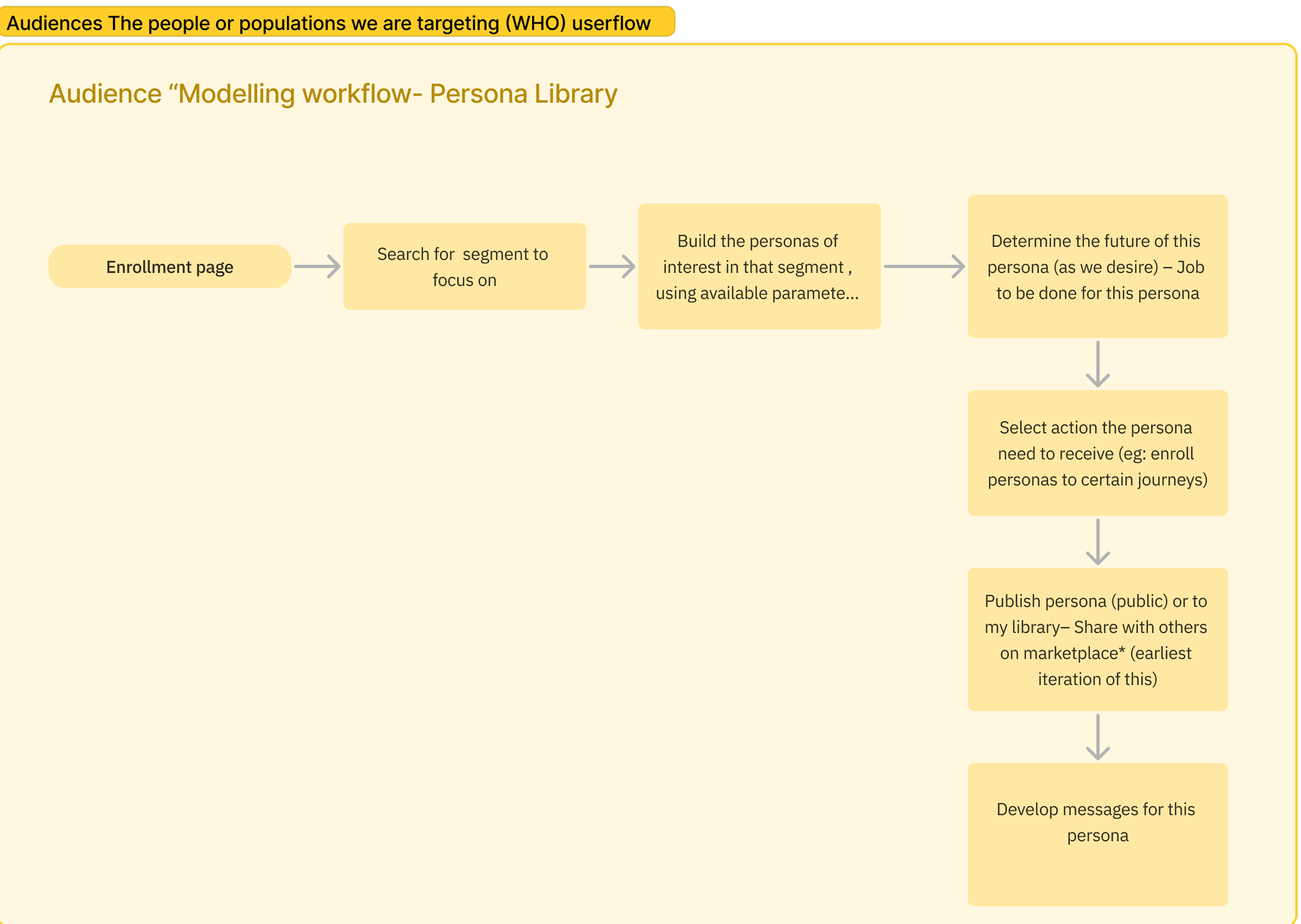
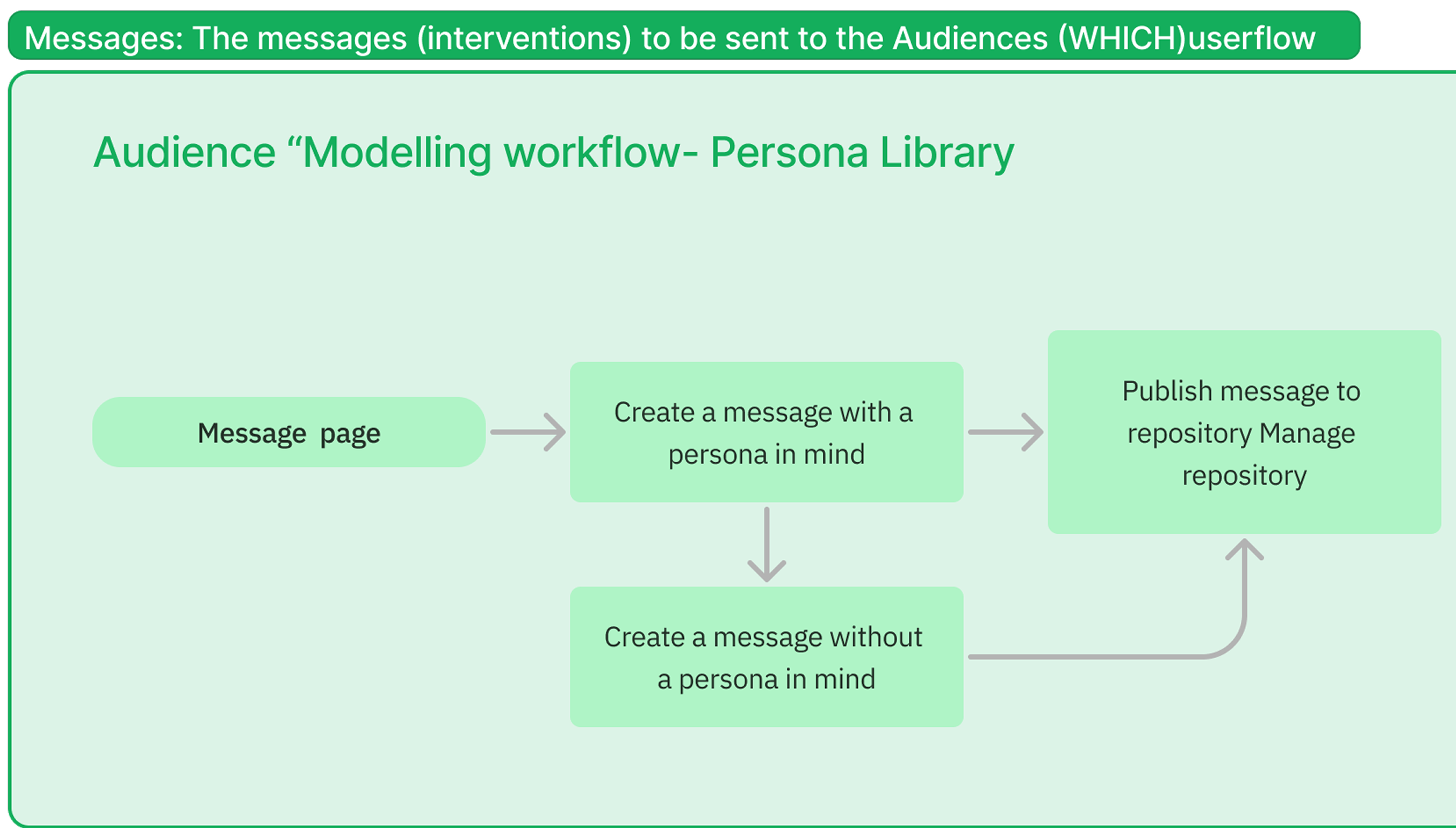
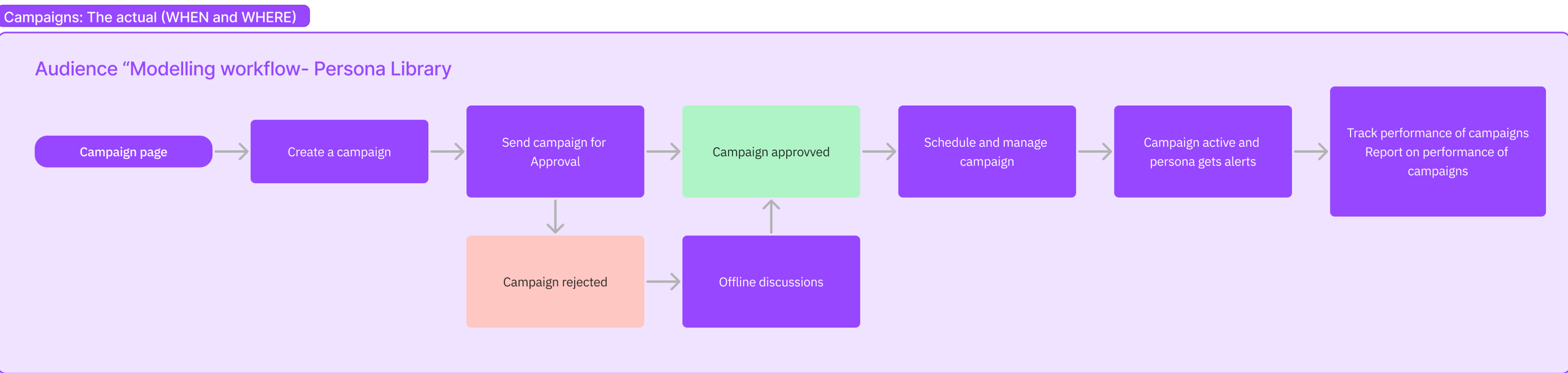
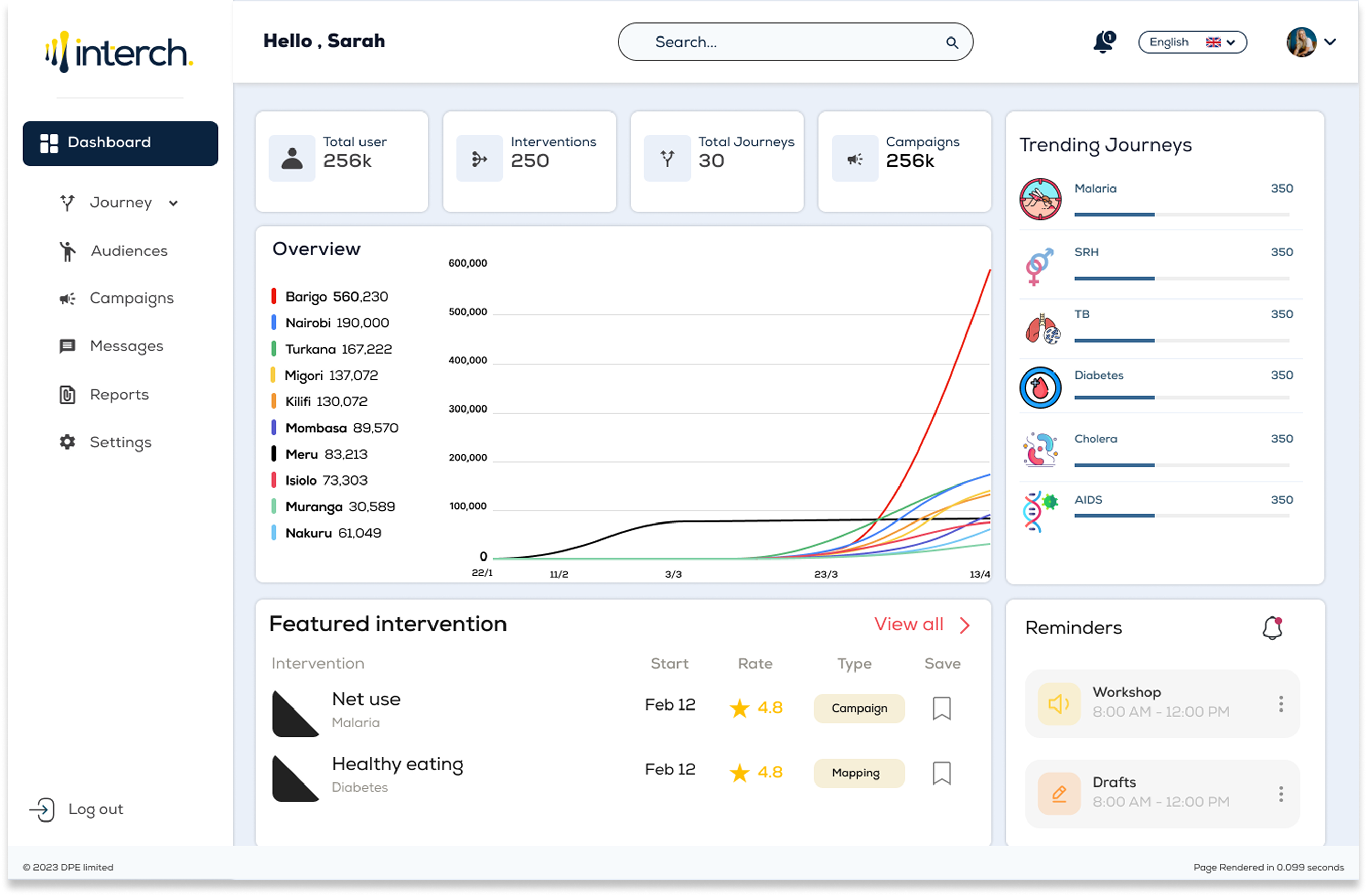
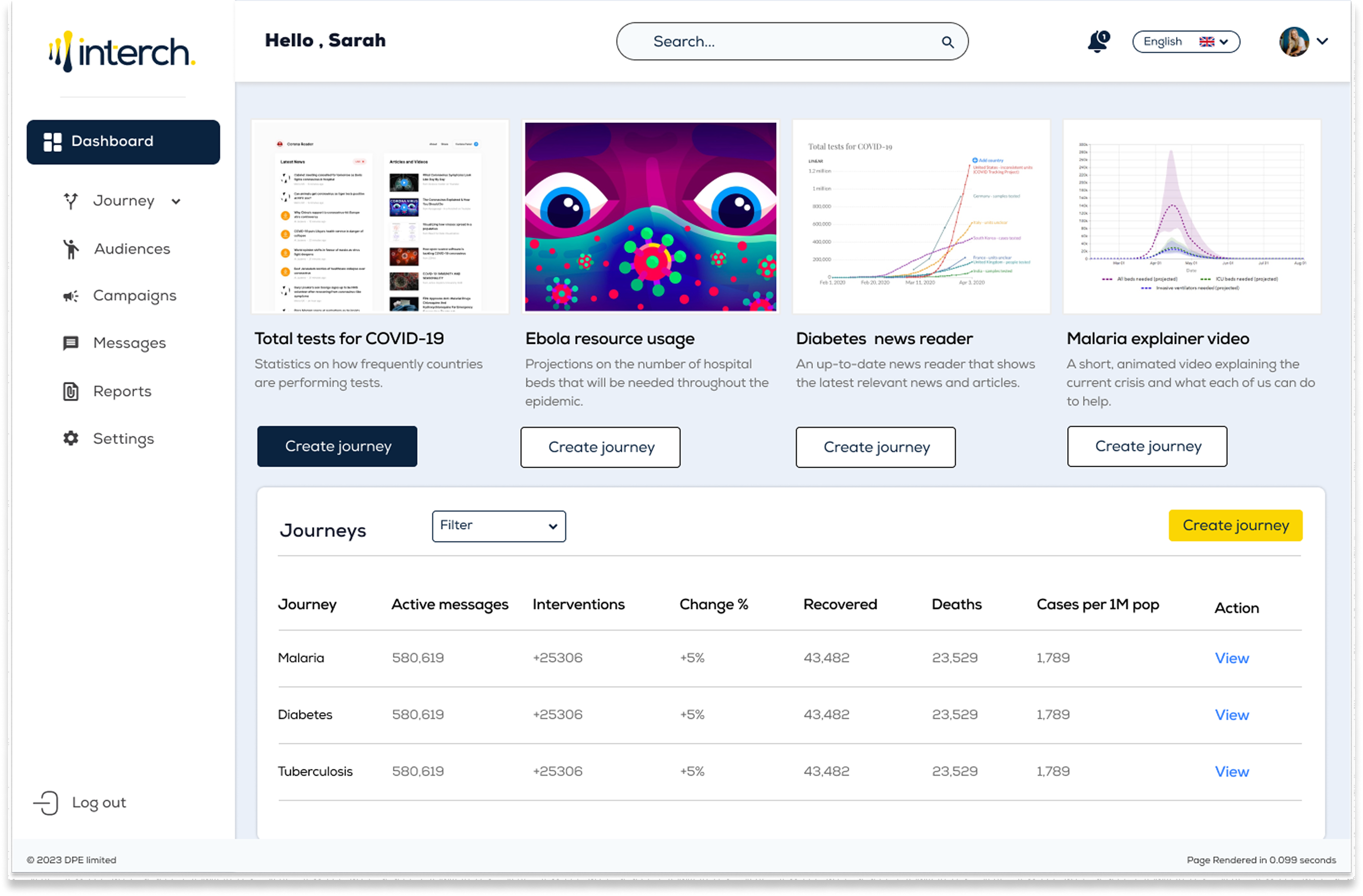
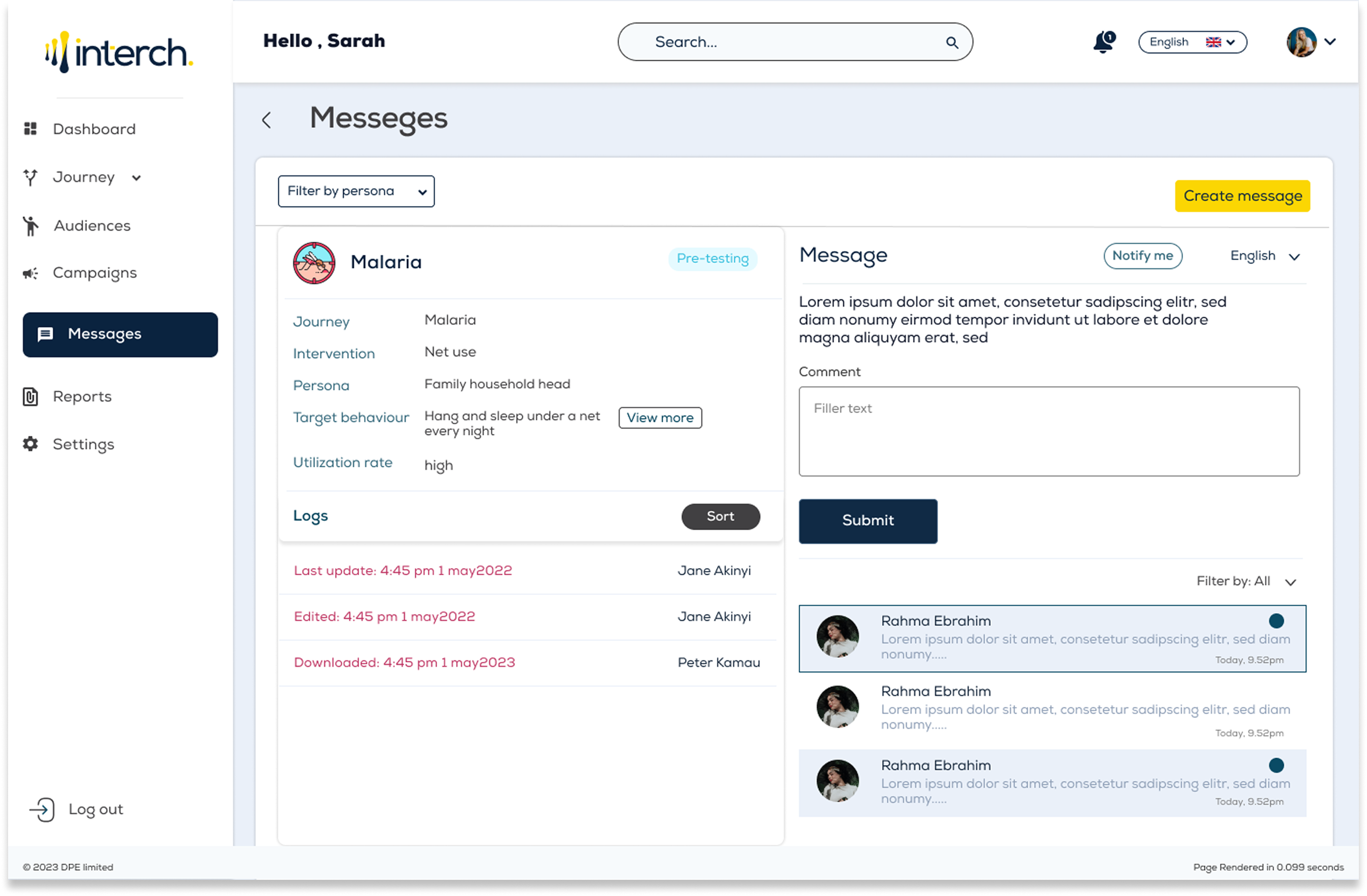
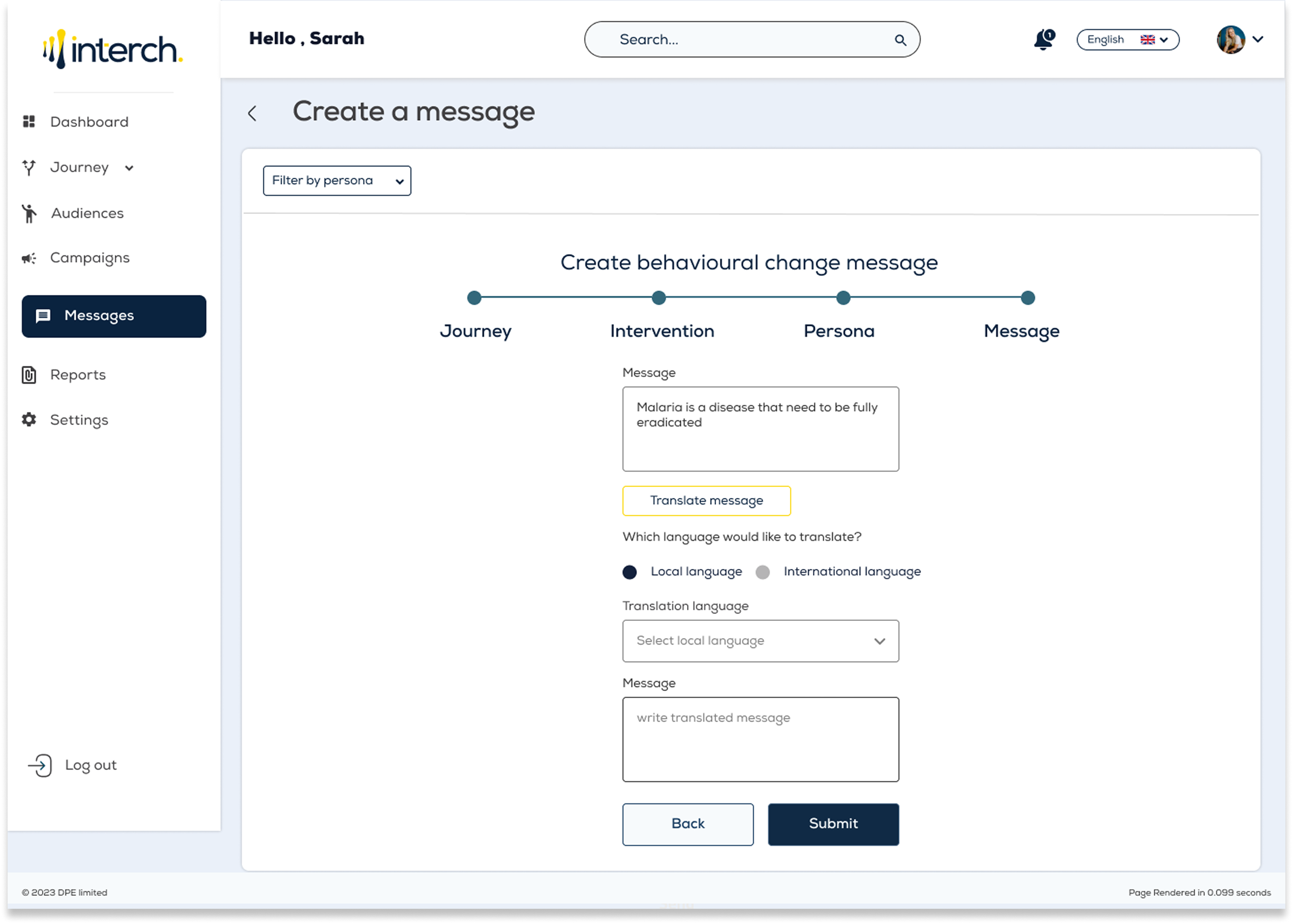
The four userflows
One flow per service: what the intervention is and how it works, who it targets, which messages carry it, and when and where it runs.
Testing
Evaluating and validating our ideas with users
During the initial iteration, I aimed to gauge the internal stakeholders' impressions of the designs. To achieve this, I conducted a mid-fidelity usability test before advancing with the designs. The very first response I received on Slack was quite amusing. This experience marked the first instance where an unmoderated usability test turned out to be so enjoyable. Observing individuals navigate through the unfamiliar territory of the designs provided me with valuable insights and inspired ideas for enhancing the designs further.
User feedback
Smooth navigation and ease of use
"Navigating through the design felt smooth and intuitive. I could easily find the features I needed."
Clarity in communication
- "The colour scheme is appealing, but the text could be slightly larger for better readability."
- "I liked how the messaging flow was structured, but I got a bit confused when trying to attach files. Maybe a clearer icon would help."
- "The use of icons next to each message made it visually engaging. However, I found the notifications a bit overwhelming."
Visual enhancement and typography
- "I appreciated the consistent layout across different conversations. It helped me quickly adapt to the UI."
- "The font choice gives a friendly vibe, but the size could be adjustable. Some people might prefer a larger font for easier reading."
Positive user feedback
"The concept definitely has potential. I'd love to see more personalised options for message customisation."
Final designs
Final designs (for now)
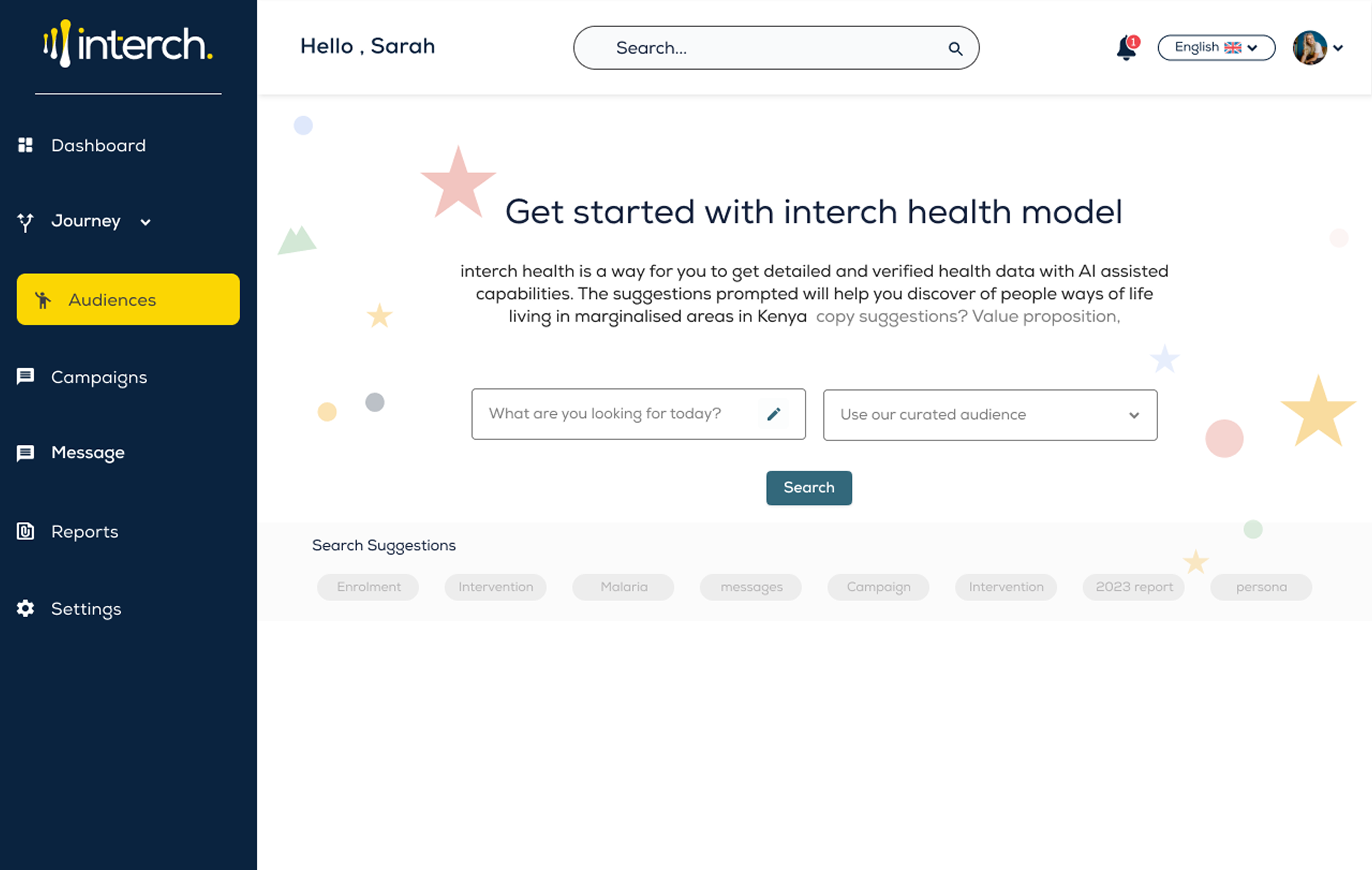
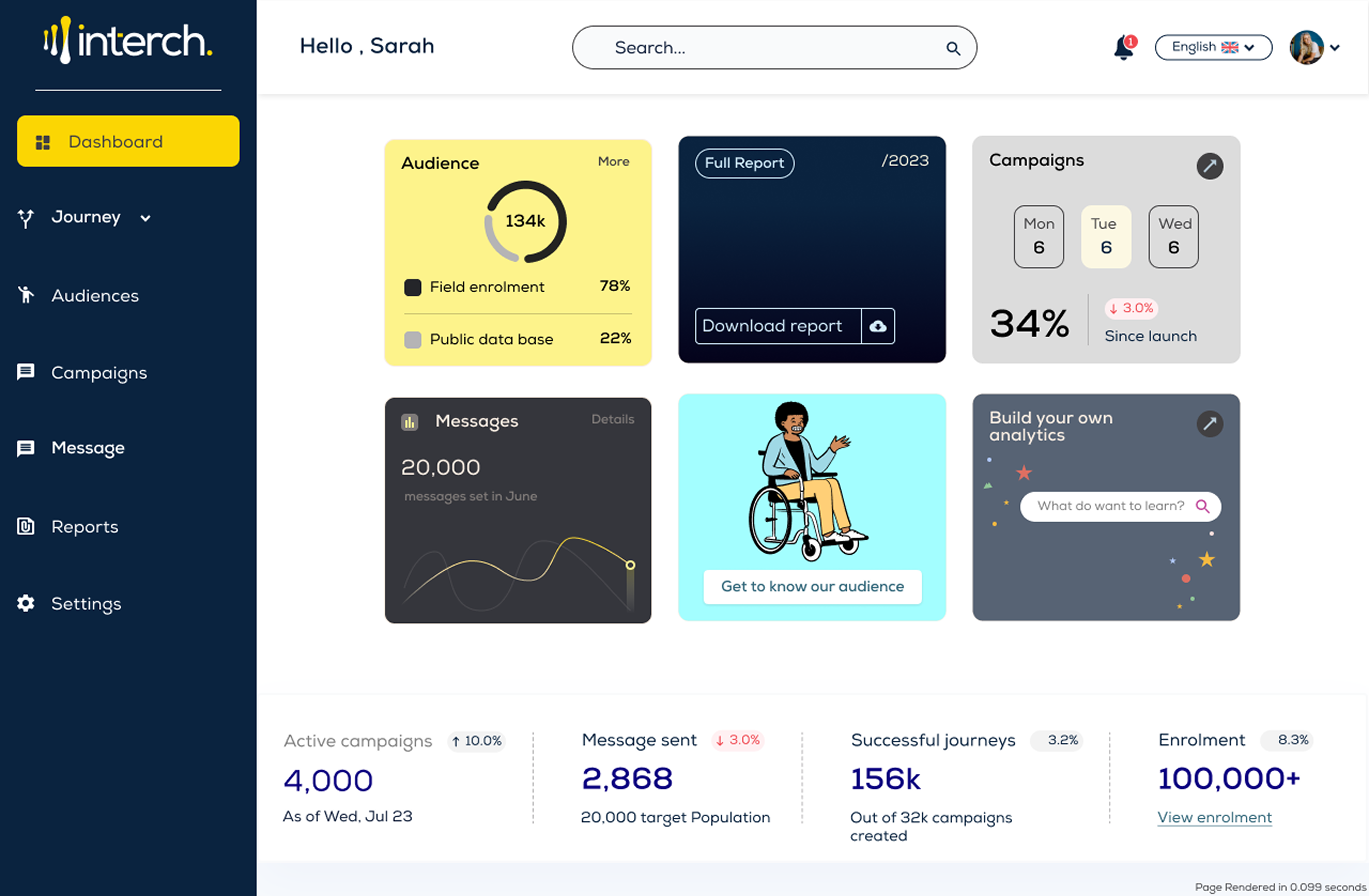
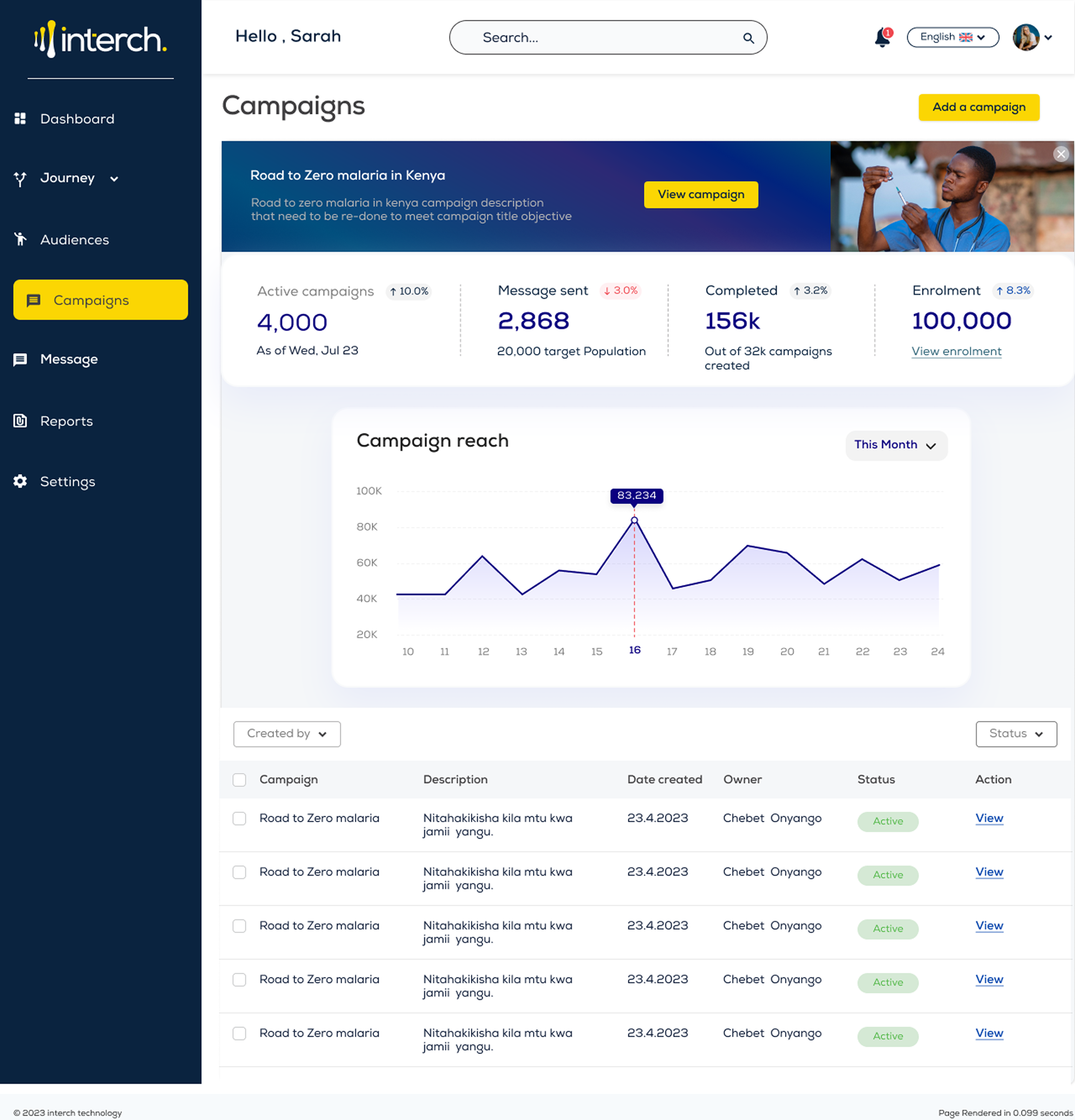
After several iterations and careful consideration of the feedback provided, the concept has evolved into its final outcome. The collaborative effort of incorporating user insights and addressing their concerns has resulted in a more refined and user-centric interface.
One notable change was enhancing the language and simplifying the steps of designing a journey and SBC interventions, ensuring consistency and clarity. This adjustment not only improved the health workers experience but also contributed to a more inclusive design accessible to a wider range of users like researchers and students.
The final outcome represents a harmonious balance between the initial design concept and the valuable insights provided by users during the mid-fidelity testing phase. Through these multiple iterations, the design has matured to offer a seamless, engaging, and user-centered health model that caters to a diverse range of user preferences and needs.
Major screens
Takeaways
Key takeaways
Impact
The project is still in its early stages, but it has the potential to revolutionize public health. By identifying individuals at risk, personalizing interventions, and providing real-time feedback and support, the platform can help health planners in Kenya design better-targeted interventions, especially in marginalized areas.
Learning
What went well
At the start of the project, I had a limited understanding of designing for behavior change. I knew that it was important to consider the user's needs and motivations, but I didn't have a systematic approach to designing interventions that would effectively alter behavior. As the project progressed, I learned about the Behavior Change Techniques Taxonomy (BCTs). BCTs comprise a collection of evidence-based techniques used for behavior change. I wrote an article about this, and I plan to apply the insights I gained in upcoming projects.
You can read more about this here
Next steps
- I will be conducting usability test with different users in different parts of the country, to determine the feasibility of the platform, and to get a better understanding of the technology capabilities in areas where there's limited resources like fast internet.
- I plan on doing workshops with key stakeholders to determine the key insights and metrics that are needed to make better decisions when it comes to campaign success and reporting.